
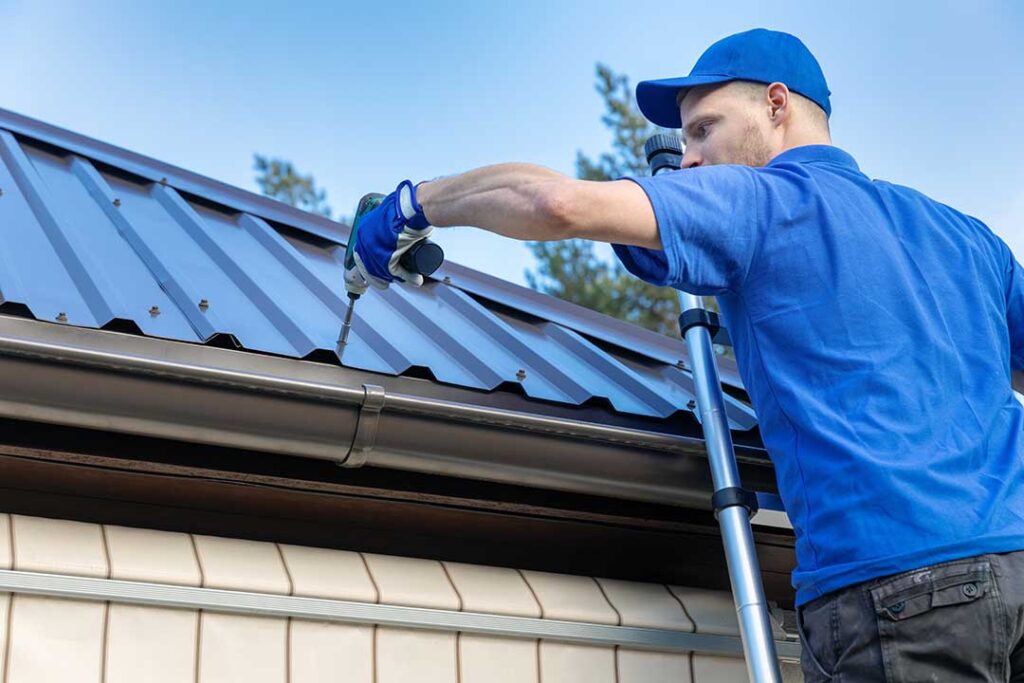
What does a roof fire rating measure?
A roof fire rating describes how a roof assembly performs when exposed to fire from outside the building. It does not mean the roof will never burn, and it is not the same as a one-hour or two-hour fire-resistance rating used for some walls, floors, and structural assemblies.
Roof-covering fire classifications are generally:
- Class A: Provides the highest level of protection against severe fire exposure.
- Class B: Provides moderate protection.
- Class C: Provides basic protection against light fire exposure.
The test evaluates more than the visible roofing material. The roof assembly may include the roof deck, underlayment, insulation, thermal barriers, and roof covering. A product that performs well by itself may not have the same classification when installed over a different deck or with different underlayment.
New York’s residential code identifies roof fire classifications as Class A, B, or C and requires testing under ASTM E108 or UL 790 where a classified roof assembly is required. ([codes.iccsafe.org](https://codes.iccsafe.org/content/NYSRC2025P1/chapter-9-roof-assemblies?utm_source=openai))
Is Class A roofing fireproof?
No. Class A roofing is not fireproof, but it offers the strongest tested resistance among the three common roof classifications.
A Class A assembly is designed to help resist:
- Flame spread across the roof surface
- Burning brands landing on the roof
- Fire penetration through the roof covering
- The spread of fire from one area of the roof to another
Even a Class A roof can be damaged by a chimney fire, embers, lightning, a nearby structure fire, or a fire that begins inside the attic. The rating describes performance under a specific standardized test; it is not a guarantee of survival under every real-world condition.
Many commonly used roofing systems can achieve Class A classification when installed as tested. Asphalt shingles, metal roofing, clay or concrete tile, slate, and certain low-slope membrane systems may qualify, but the exact rating depends on the listed assembly and installation details.
What is the difference between a roof covering and a roof assembly?
A roof covering is the outer layer exposed to weather, such as shingles, metal panels, tile, slate, or a membrane.
A roof assembly is the complete system beneath and above that surface. It can include:
- Roof decking
- Underlayment
- Ice-barrier materials
- Insulation
- Ventilation components
- The roof covering
- Fasteners and attachment methods
This distinction matters because changing one part of the system can affect its tested fire classification. For example, replacing the specified deck, omitting an underlayment, using a different insulation layer, or installing a product outside the manufacturer’s instructions may mean the completed roof no longer matches the tested assembly.
A label that says “Class A” should therefore be understood as applying to a particular listed system, not automatically to every installation of that material.
Why does fire classification matter in Norwich?
Homes in Norwich experience cold winters, snow, freeze-thaw cycles, wind, and seasonal storms. Those conditions make roof design more complicated than simply choosing a surface that resists flame.
Older homes may also have several layers of roofing, wood roof decking, additions with different roof slopes, enclosed attic areas, or previous repairs completed with materials from different systems. These conditions can make it difficult to determine the current roof assembly without reviewing visible labels, installation records, or construction details.
New York’s code requires classified roof assemblies in jurisdictions designated by law as requiring them, and also where the edge of the roof deck is less than 3 feet from a lot line. The code includes specific exceptions for certain noncombustible materials, including slate, clay or concrete tile, and some metal roof coverings. ([codes.iccsafe.org](https://codes.iccsafe.org/content/NYSRC2025P1/chapter-9-roof-assemblies?utm_source=openai))
The applicable requirements can depend on the building type, roof design, property layout, permit history, and whether the work is new construction, reroofing, or repair.
Does the color or thickness of shingles determine the fire rating?
Usually, no. A darker shingle is not automatically less fire resistant than a lighter one, and a thicker-looking product is not automatically Class A.
Fire classification depends on tested performance. Important factors may include:
- The shingle or panel design
- The roof slope
- The underlayment
- The roof deck
- The method and pattern of fastening
- Whether the system is installed over an existing roof
- The specific product listing
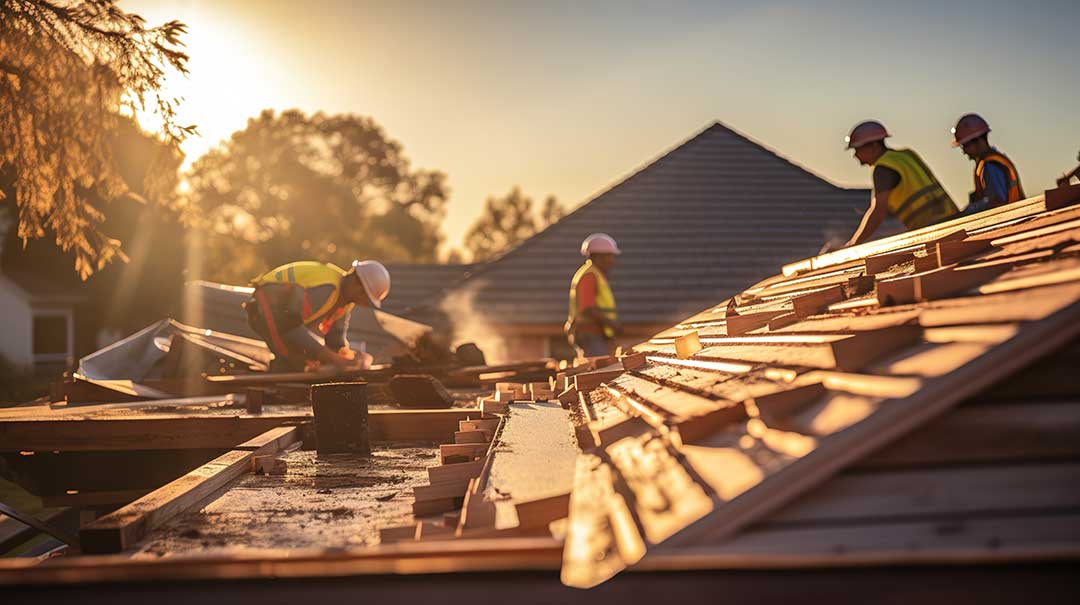
The most reliable information is found in the product packaging, technical data, installation instructions, or classification label. Terms such as “impact resistant,” “wind rated,” and “Class A” describe different performance characteristics. A roof can have strong wind resistance without having the same classification for every fire condition, and impact resistance does not replace a fire rating.
Are wood shakes and shingles allowed?
Wood roofing may be permitted when it meets the applicable fire-retardant treatment and testing requirements. New York’s residential code states that fire-retardant-treated wood shakes and shingles must be treated through an approved full-cell vacuum-pressure process and labeled to identify the classification, treating company, and approved agency. ([dos.ny.gov](https://dos.ny.gov/2024-residential-code-new-york-state-2024-rcnys?utm_source=openai))
Surface-applied treatments should not be assumed to provide the same result as a tested, labeled product. The treatment, manufacturing process, maintenance history, and installation details all matter.
Older wood roofing can present an additional concern because weathering, moss, debris, cracked surfaces, and accumulated dry leaves may change how the roof behaves during an ember exposure. A historic roof may also have limited documentation showing its original classification.
How do solar panels affect roof fire ratings?
Solar equipment can affect the fire classification of the roof system because panels, mounting hardware, wiring, and spacing change the roof surface and the way heat or flame may travel.
The 2025 Residential Code of New York State requires rooftop-mounted photovoltaic systems and modules to be tested, listed, and identified with a fire classification under UL 2703 where the code requires a classified system or where the roof edge is less than 3 feet from a lot line. Building-integrated photovoltaic products use a separate standard, UL 7103. ([codes.iccsafe.org](https://codes.iccsafe.org/content/NYSRC2025P1/chapter-9-roof-assemblies?utm_source=openai))
This does not mean every roof with solar panels is unsafe. It means the roof covering and solar equipment should be treated as a coordinated system rather than as unrelated materials.
What should homeowners check before reroofing?
Before replacing or covering a roof, useful questions include:
- What is the fire classification of the proposed roof assembly?
- Does the rating apply to the actual roof deck and underlayment?
- Is the product listed for the roof slope and installation method?
- Will an additional roofing layer change the tested assembly?
- Are wood shakes, skylights, vents, or solar equipment part of the system?
- Does the work require a permit under the current code?
- Are there roof edges within 3 feet of a lot line?
New York’s 2025 Uniform Code became fully effective on December 31, 2025. Permit applications submitted after that date generally must follow the 2025 code provisions, while earlier projects may have been reviewed under a prior code edition or an approved transition option. ([dos.ny.gov](https://dos.ny.gov/notice-adoption?utm_source=openai))
For a specific property, the local code-enforcement authority is the appropriate source for confirming permit and code requirements. That question is separate from whether the roofing material has a Class A, B, or C listing.
Does a fire-rated roof replace other fire-safety measures?
No. Roof classification is only one part of fire safety.
Residents should still maintain working smoke alarms and carbon monoxide alarms, keep chimneys and heating equipment maintained, clear dry leaves from roof valleys and gutters, and avoid storing combustible materials near attic heat sources. Snow, ice, and debris can also hide damaged flashing or blocked vents, so seasonal roof observations are useful even when no leak is visible.
A roof fire rating helps describe how a tested assembly performs. It does not replace safe heating practices, proper electrical work, attic maintenance, or a clear escape plan.
