
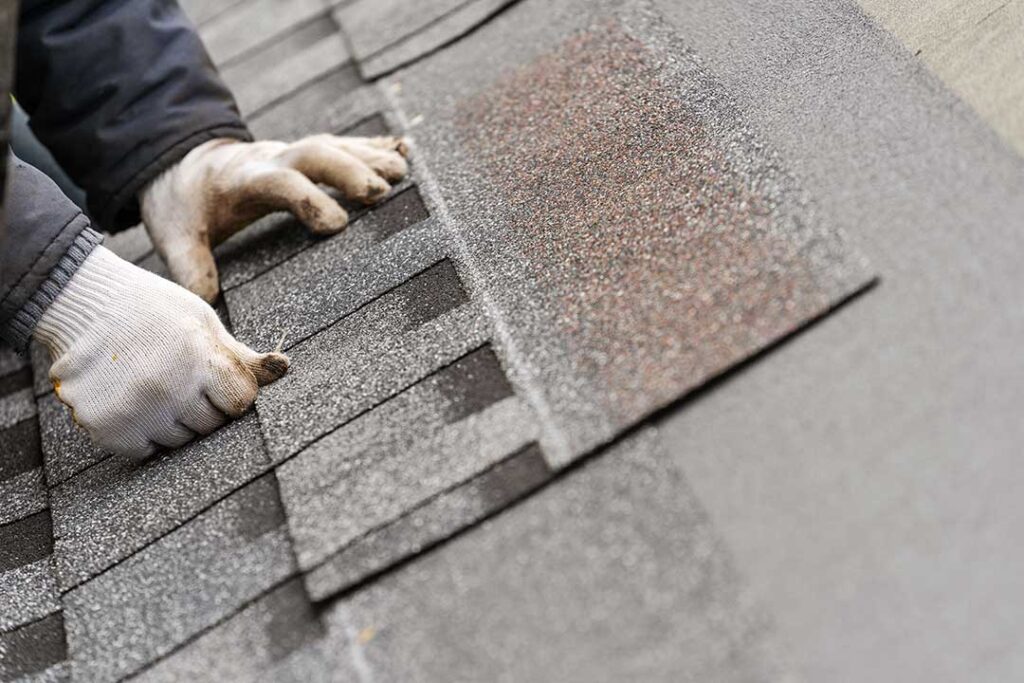
Roof aging is not identified by appearance alone. A roof may still look acceptable from the ground while its shingles, seams, flashing, or underlying structure are beginning to lose weather resistance. In Norwich, NY, repeated exposure to snow, ice, rain, wind, freeze-thaw cycles, and summer sun can make these changes more noticeable over time.
Different roofing materials age in different ways. The most useful inspection approach is to understand what deterioration looks like for each roof type and to distinguish normal weathering from signs of active failure.
How can you tell whether an asphalt shingle roof is aging?
An aging asphalt shingle roof commonly shows widespread granule loss, curling, cracking, fading, and loss of shingle flexibility. A few isolated imperfections may not indicate immediate failure, but patterns across several roof slopes deserve attention.
Look for:
- Bare or unusually smooth patches where dark roof mat is visible
- Granules collecting in gutters or at the ends of downspouts
- Shingle edges that curl upward or tabs that appear brittle
- Cracks running through the shingle surface
- Missing shingles after wind or winter weather
- Dark streaks or moss growth that conceal surface wear
- Exposed or deteriorated flashing around chimneys, vents, and roof intersections
Granule loss is especially useful as an aging indicator. Granules protect the asphalt coating from ultraviolet light and help shed water. As they disappear, the underlying material becomes more vulnerable to heat, cold, and moisture.
Curling can result from age, poor attic ventilation, manufacturing defects, or repeated moisture exposure. If curling is widespread rather than limited to one small area, the roof may be approaching the end of its useful service period.
What does aging look like on a metal roof?
Metal roofs often remain functional longer than their surface appearance suggests, but they still develop recognizable signs of age. The type of metal, coating, fastener system, and installation method all affect how deterioration appears.
Common signs include:
- Rust around exposed edges, fasteners, seams, or cutouts
- Failing paint or protective coating
- Loose, backed-out, or missing screws
- Open seams or separated flashing
- Dents that hold water
- Punctures from falling branches or other impacts
- Leaks around penetrations and transitions
A small amount of surface discoloration is not always a serious problem. Rust that is spreading, flaking, or located at a seam can be more concerning because it may weaken the panel or allow water to reach the roof assembly.
Fastener movement is another overlooked issue. Metal expands and contracts as temperatures change. Over many seasons, fasteners can loosen or washers can deteriorate. This may create small entry points for water even when the panels themselves remain intact.
Standing water on a low-slope metal roof should not be dismissed as a cosmetic issue. Persistent ponding can accelerate coating failure and increase the chance of leakage around seams and penetrations.
How do older wood-shingle and wood-shake roofs show wear?
Wood shingles and shakes age through moisture cycling, sunlight, biological growth, splitting, and gradual loss of thickness. Their condition can vary substantially between shaded and exposed roof sections.
Aging wood roofing may show:
- Splits that run with or across the grain
- Cupped, curled, or displaced pieces
- Soft areas caused by decay
- Dark staining or moss in damp locations
- Excessive gaps between shingles or shakes
- Thinning edges and fragile surfaces
- Visible light through roof gaps from inside the attic
Wood roofing needs airflow and the ability to dry after wet weather. Leaves, pine needles, and moss can hold moisture against the surface and speed up decay. Areas beneath overhanging trees or near poorly draining roof sections often age faster than open, sun-exposed slopes.
A roof that looks attractive from the street may still have concealed deterioration. Walking on older wood roofing can break fragile pieces and create a fall hazard, so close evaluation should not involve unnecessary foot traffic.
What are the aging signs on slate, tile, and other masonry-based roofs?
Slate, clay tile, and concrete tile roofs can last for many decades, but individual units may crack, break, slip, or become loose. The supporting components beneath them can age sooner than the visible covering.
Watch for:
- Cracked or missing slates or tiles
- Pieces that have shifted out of alignment
- Chipped edges and surface flaking
- Deteriorated mortar at ridges or transitions
- Rusted or weakened metal anchors
- Sagging areas beneath the roof covering
- Leaks around valleys, chimneys, and wall intersections
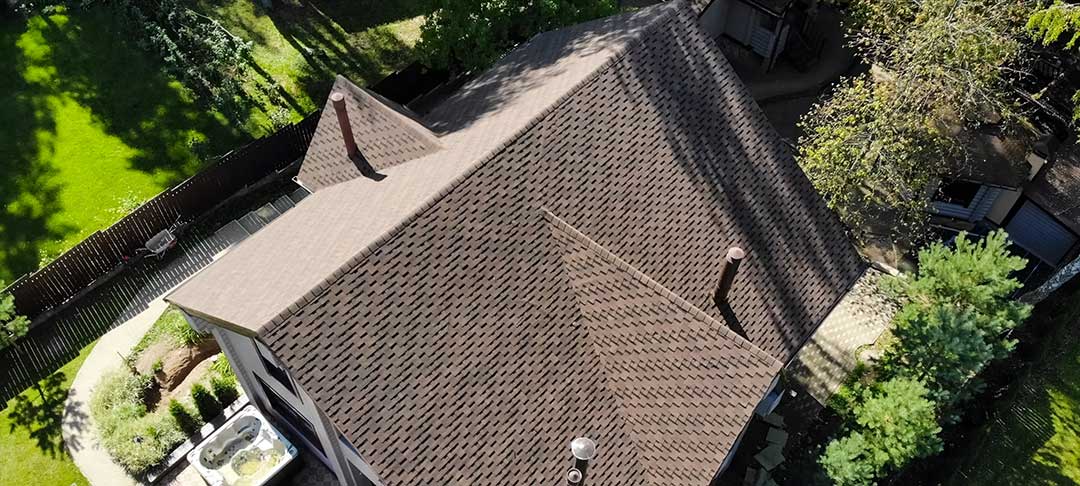
Slate can split into thin layers, while concrete tile may become porous or develop surface wear. Clay tile may crack after impact or repeated temperature changes. In each case, a few damaged units do not necessarily mean the entire roof has failed, but widespread movement or breakage suggests that the roof system needs closer evaluation.
The flashing is often more vulnerable than the slate or tile itself. Water may enter through aging metal around chimneys, valleys, and roof edges even when the visible field tiles appear sound.
How does a flat or low-slope roof age?
Flat and low-slope roofs often show aging through drainage problems, membrane deterioration, seam failure, and surface blistering. Because these roofs shed water more slowly, small defects can have prolonged effects.
Signs include:
- Ponding water that remains after dry weather
- Open or shrinking seams
- Blisters, bubbles, or ridges in the membrane
- Cracked coatings
- Exposed reinforcement or roofing layers
- Deteriorated edge metal
- Repeated ceiling stains below the same area
Water may travel beneath a membrane before appearing indoors, so the location of an interior stain does not always identify the original leak. Blocked drains, damaged scuppers, and clogged gutters can also increase stress on a low-slope roof.
A low-slope roof should be observed after heavy rain if safe viewing is possible from the ground or an upper window. Persistent puddles, especially near seams or penetrations, are more meaningful than temporary wet areas immediately after rainfall.
Which interior signs suggest that roof aging has become a problem?
Interior evidence can reveal roof deterioration that is not obvious outside. Check attic spaces, upper-floor ceilings, and areas around chimneys and roof penetrations.
Useful warning signs include:
- Brown or yellow ceiling stains
- Peeling paint or damaged plaster
- Damp insulation
- Musty odors
- Mold-like growth on roof framing
- Rust on nails or metal connectors
- Daylight visible through roof boards
- Sagging sheathing between rafters
A single stain may come from an old event, condensation, or plumbing rather than an active roof leak. Fresh discoloration after rain or snowmelt is more suggestive of current water entry. In winter, inadequate attic ventilation or air leakage can also create condensation that resembles a roof leak.
Does roof age alone tell you when replacement is needed?
No. Installation quality, ventilation, material type, storm exposure, maintenance, and the condition of flashing all affect roof life. A roof’s stated age is a useful starting point, not a final diagnosis.
A roof should receive closer attention when several signs occur together: widespread surface deterioration, recurring leaks, sagging, exposed roof layers, failing flashing, or damage after wind and ice. Roof access becomes hazardous when surfaces are steep, icy, brittle, or covered with moss. In those conditions, observation from the ground is safer than climbing.
For households in Norwich, seasonal inspection is most useful after winter and again after severe summer storms. Checking gutters, attic spaces, roof edges, and visible flashing can identify changes before a small defect develops into interior water damage. Never disturb suspected asbestos-containing materials or attempt repairs near electrical lines, unstable roofing, or active structural damage.
Understanding how each roofing material ages makes it easier to separate ordinary weathering from signs that water resistance, safety, or structural support may be declining.
