
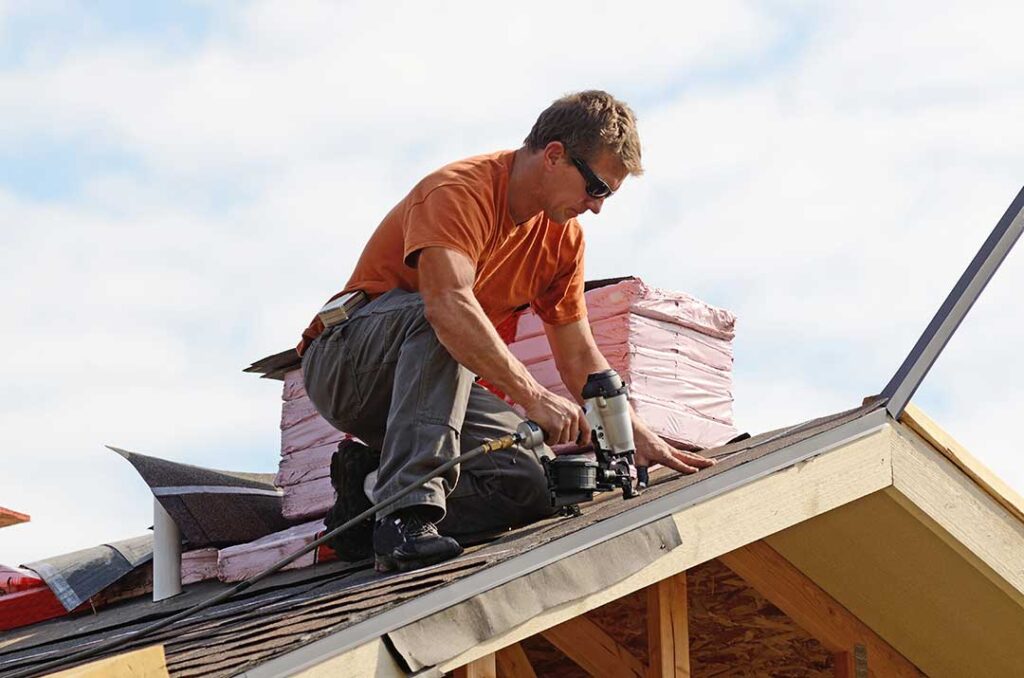
Roof damage does not always wait for convenient conditions. During COVID-19, severe winter weather, power outages, supply shortages, or another community crisis, residents may need to balance urgent home protection with health, safety, and financial concerns.
The basic approach is to separate the problem into three questions: Is the home safe right now? What temporary action can prevent more damage? Which parts of the repair can wait until conditions improve?
What roof problems require immediate attention?
Active leaks, exposed decking, fallen branches, sagging roof areas, and openings above electrical wiring should be treated as urgent. A small ceiling stain may be less time-sensitive than water entering through an open roof section, but both should be documented and monitored.
Leave the building or the affected area if there are signs of structural danger, such as:
- A visibly sagging ceiling or roofline
- Large sections of missing shingles or roofing material
- Cracked walls or shifting framing
- Downed utility lines near the structure
- Water near electrical panels, outlets, lights, or appliances
- Strong odors suggesting gas, smoke, or electrical overheating
Do not climb onto a roof during high winds, lightning, icy conditions, heavy rain, or when the roof surface is wet. In Norwich, freeze-thaw cycles, snow accumulation, and ice can make a roof unsafe even when the damage appears minor.
What should be done first if a roof is leaking?
The first priority is to limit interior damage without creating a second hazard. Place containers under drips, move furniture and electronics away from the affected area, and use towels or plastic sheeting to protect flooring.
If water is reaching electrical fixtures, avoid touching the fixture or standing in pooled water. If it can be done safely from a dry location, shut off power to the affected circuit. Do not enter areas with a collapsed ceiling or bulging drywall.
From the ground, take photographs of the roof, exterior walls, ceilings, flooring, and damaged belongings. Record the date, approximate time, weather conditions, and actions taken. This information can help with insurance documentation and later repair decisions.
A temporary tarp or protective covering may reduce additional water intrusion, but it is not a permanent roof repair. FEMA describes temporary roof coverings as short-term protection until lasting repairs can be completed. ([fema.gov](https://www.fema.gov/sites/default/files/documents/fema_iappg-1.1.pdf?utm_source=openai))
How can roof repairs be handled during COVID-19?
Roof work can often be planned to reduce indoor contact. A roof inspection from the ground, exterior photographs, video calls, written descriptions, and measurements supplied by the homeowner may help determine whether an in-person visit is necessary.
If someone must enter the home, residents can reduce exposure by:
- Asking that anyone with respiratory symptoms postpone non-urgent indoor work
- Keeping household members in a separate room during the visit
- Opening windows or using exhaust fans when weather permits
- Wearing a well-fitting mask indoors, especially when illness is circulating or someone is medically vulnerable
- Avoiding handshakes and shared food or drinks
- Cleaning frequently touched surfaces after the visit
- Communicating by phone, text, or email rather than gathering around paperwork
The Centers for Disease Control and Prevention recommends staying away from others while sick until symptoms are improving overall and there has been no fever for at least 24 hours without fever-reducing medicine. Additional precautions, including cleaner air, masking, distancing, and testing, are recommended for several days after normal activities resume. ([cdc.gov](https://www.cdc.gov/respiratory-viruses/prevention/precautions-when-sick.html?utm_source=openai))
Cleaner indoor air also matters. Opening windows and doors, using exhaust fans, and improving filtration can reduce the concentration of airborne respiratory particles indoors. These steps should not be used in a way that creates a cold-weather, security, or moisture problem. ([cdc.gov](https://cdc.gov/respiratory-viruses/prevention/air-quality.html?utm_source=openai))
Which repairs should be postponed during a crisis?
Cosmetic or nonessential work can usually wait if the roof remains watertight and structurally sound. Examples may include replacing weathered shingles that are not leaking, repainting water-stained areas after the source is fixed, or upgrading ventilation that is functioning adequately.
Urgent work generally includes:
- Stopping active water entry
- Securing loose roofing materials
- Covering an opening before rain or snow arrives
- Removing a dangerous branch when safe access is available
- Stabilizing damaged flashing around chimneys, vents, or roof edges
- Protecting exposed insulation, framing, and electrical components from moisture
Postponing a repair does not mean ignoring it. Mark the area on a calendar, check the attic and ceilings after precipitation, and continue photographing changes. A temporary fix that appears successful from inside the home may still allow hidden moisture into the roof assembly.
Should a homeowner use a tarp?
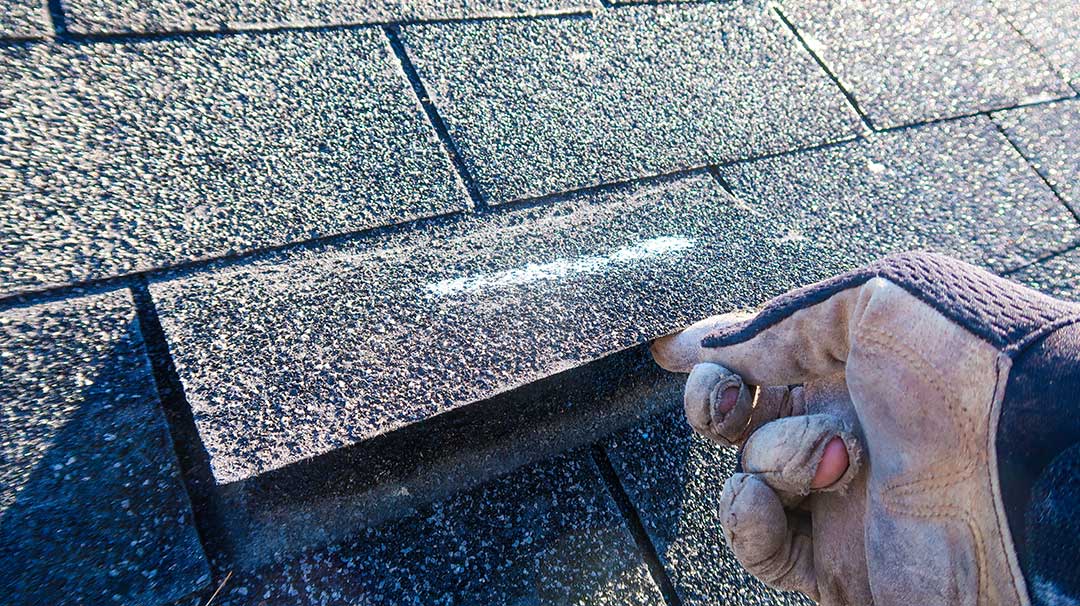
A tarp can help limit additional water damage, but installing one on a roof is dangerous for most homeowners. Wet shingles, steep slopes, hidden structural damage, and wind can cause falls. A tarp that is loosely placed may also tear away and create more damage.
Never place a ladder against unstable gutters, damaged eaves, or a roof edge that has shifted. Do not walk on a roof that has been weakened by water, fire, fallen trees, or heavy snow.
If emergency covering is necessary, the safest arrangement is usually for the work to be performed by someone equipped to assess roof stability and secure the covering properly. Temporary protection should not conceal unsafe framing or delay needed structural repairs.
How do insurance and disaster assistance fit into the process?
Notify the property insurer as soon as reasonably possible if the damage may be covered. Avoid making permanent changes before the damage is documented, unless immediate action is needed to protect people or prevent worsening damage.
Keep:
- Photographs and videos taken before cleanup
- Receipts for emergency materials or temporary lodging
- Written descriptions of what happened
- Copies of inspection reports and repair proposals
- Records of conversations with the insurer
- Samples of damaged materials, when safe and practical
FEMA assistance is generally tied to an officially declared disaster and specific eligibility requirements. For qualifying disaster-related damage, assistance may address basic repairs needed to make a home safe, sanitary, and functional, including certain roof damage. It does not automatically cover every aging-roof problem or routine maintenance expense. ([fema.gov](https://www.fema.gov/sites/default/files/documents/fema_ia-quick-reference_habitability.pdf?utm_source=openai))
Insurance and assistance programs may also require proof that the damage resulted from a particular event. A roof that was already deteriorated before a storm may be treated differently from a roof damaged by that storm.
What should residents ask before allowing work to begin?
During a crisis, clear planning is as important as the repair itself. Ask for a description of the immediate hazard, the proposed temporary protection, the expected indoor access, and the steps being used to reduce exposure to illness.
It is also reasonable to clarify:
- Whether the work can be completed entirely from outside
- How long workers are expected to be inside
- Whether photos or video can replace an initial interior visit
- What happens if a worker becomes sick
- How debris will be controlled
- Whether the work is temporary or permanent
- What permits or inspections may apply
Emergency stabilization and permanent replacement are not always the same project. Local building requirements may still apply to substantial alterations, even when temporary measures are allowed to protect the building from further damage. FEMA guidance distinguishes emergency protective work from larger repairs that must meet applicable codes and permitting requirements. ([fema.gov](https://www.fema.gov/pdf/floodplain/nfip_sg_unit_10.pdf?utm_source=openai))
A roof repair during a public health or community emergency should protect three things at once: the building, the people inside it, and the workers performing the work. Address immediate leaks and hazards first, use temporary measures carefully, document everything, and postpone nonessential work when delaying it will not cause additional damage.
