

Can Roof Replacement Make a Noticeable Difference in Energy Bills?
A new roof can often help local residents reduce monthly energy costs, particularly in older homes with aging or poorly insulated roofing structures. In Norwich, NY, where winters can be long and cold and summers warm and humid, the condition of a home’s roof plays a key role in heating and cooling efficiency. Many homeowners are surprised to learn that even modest improvements in roofing can translate into meaningful savings.
Why Do Older Roofs Affect Energy Efficiency?
Over time, roofing materials break down, insulation becomes less effective, and gaps can appear in the roof assembly. These changes allow heat to escape during winter and cool air to leak out during summer. In the city’s climate, this means:
- Higher heating costs as more warm air is lost to the outside
- Higher air conditioning costs as cooled air escapes and outdoor heat seeps in
- A greater risk of ice dams forming from uneven attic temperatures
Homes built decades ago may lack modern underlayment, reflective barriers, or adequate attic insulation—all of which are now common in new or updated roofing systems.
What Roof Features Improve Energy Performance?
Modern roofing materials and installation methods address many issues present in older roofs. Some of the most effective elements for boosting efficiency in Norwich include:
- Better Insulation: Today’s roofing projects typically include upgraded attic or roof deck insulation, which helps maintain a more stable indoor temperature.
- Ventilation Improvements: Properly placed soffit, ridge, or gable vents help avoid trapped heat in summer and prevent condensation in winter, supporting both roof lifespan and home comfort.
- Reflective or “Cool Roof” Materials: Some shingles or metal roofing products are designed to reflect more sunlight and absorb less heat, keeping attics cooler during hot months.
- Quality Installation: Ensuring a tight seal and reliable flashing reduces the risk of air and moisture leaks, both of which contribute to unpredictable energy use.
These upgrades don’t just reduce drafts—they help a home’s heating and cooling systems run less often, ultimately saving money on energy bills.
Are Roof-Related Energy Savings Noticeable in Norwich Homes?
Yes, area households often see measurable efficiency gains after roof replacement, though the total impact depends on the starting condition of the existing roof and attic. In Norwich’s climate, benefits can include:
- Lower heating bills in cold months, which can be substantial given the local reliance on gas, oil, or electric heat
- Reduced need for air conditioning and better comfort upstairs during muggy summer spells
- Less strain on HVAC equipment, helping systems last longer and need fewer costly repairs
Local homeowners often report fewer drafts, a more consistent indoor temperature, and a notable drop in rooms that once felt “too hot” or “too cold” after upgrading an old roof.
Does Replacing a Roof Always Lead to Lower Energy Bills?
A new roof almost always improves energy performance, especially if the old roof was worn out or leaky. However, results can vary:
- If the previous roof was already in good condition and well insulated, upgrades may yield smaller gains.
- If the rest of the home—such as windows, doors, or walls—lacks insulation or is drafty, roof savings might be harder to notice.
- Residents sometimes expect immediate, dramatic reductions in energy bills. In reality, savings are usually steady and accumulate over time, particularly through Norwich’s colder seasons.
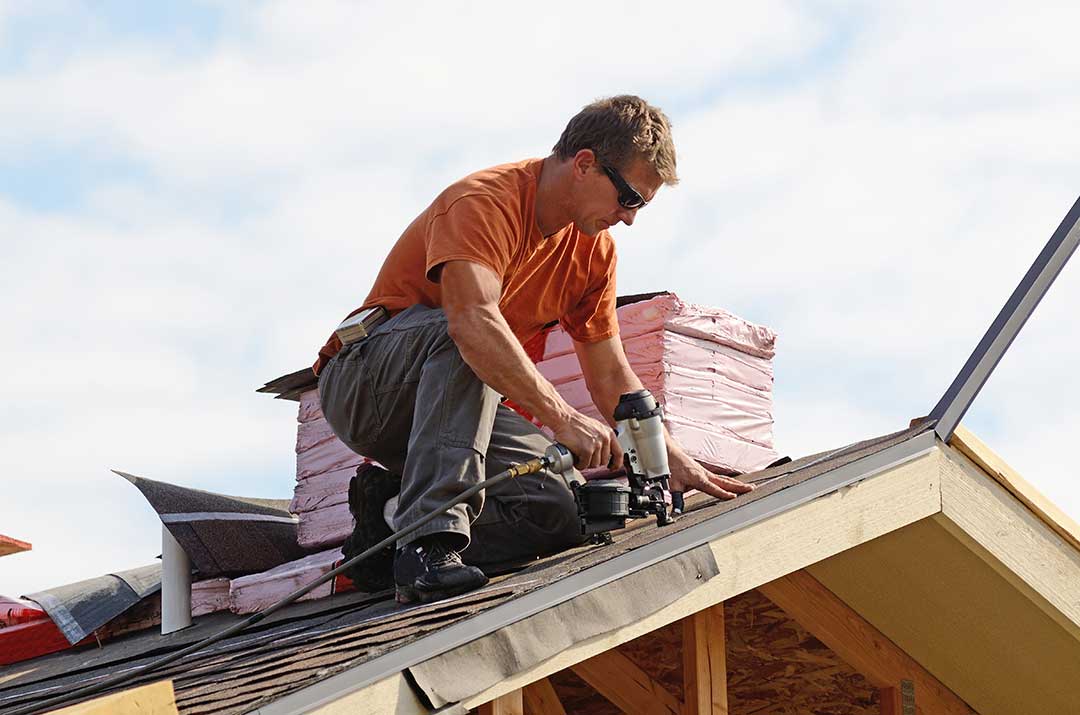
Proper insulation and attention to ventilation are just as critical as new roofing materials. Skipping these steps can limit the overall benefit.
What Are Common Misconceptions About Roof Replacement and Energy Costs?
Some residents believe that only the most expensive roofing materials provide a difference or that energy savings are guaranteed no matter what. In practice:
- Quality installation and insulation matter more than the brand or style of shingle
- “Cool roof” products are most effective in sunny, hot regions but still offer some benefits during local heatwaves
- Simply overlaying new shingles on top of old ones rarely improves efficiency and can sometimes make problems worse
Energy savings are best viewed as part of a whole-home strategy—roofing is a major factor, but not the only variable.
What Practical Steps Should Area Homeowners Consider?
For residents considering whether a new roof will help moderate seasonal energy bills, it’s helpful to:
1. Evaluate the current roof’s age, visible wear, and attic insulation levels.
2. Ask about modern ventilation and insulation options during project planning.
3. Consider additional attic insulation if the space is accessible, as this extends roof-related efficiency beyond just new shingles.
4. Address other sources of air loss (like aging windows or doors) to enhance savings from an upgraded roof system.
5. Take note of any rooms with persistent temperature issues—these can also indicate hidden roof or insulation problems.
Regular inspections for leaks, missing shingles, or attic moisture can also help local homeowners catch issues before they impact comfort or bills.
Are There Local Considerations Unique to the Area’s Climate?
With winters that often involve heavy snow and freezing rain, the structural integrity and insulation of a roof matter even more in Norwich than in milder climates. Properly installed ice and water barriers reduce the risk of meltwater leaks and ice dams, both of which can worsen household efficiency and cause costly damage.
Residents should also remember that persistent humidity during summer means effective ventilation is key. Without it, attics can stay hot, raising upstairs temperatures and putting extra pressure on air conditioners.
