
What Should Norwich, NY Residents Do First After Discovering Roof Damage?
If you notice sudden damage to your roof, prioritizing safety and minimizing further harm to your home is essential. The first actions are to check for immediate risks, such as water entering living spaces or downed power lines.
- If water is leaking indoors, place buckets or containers to catch drips and move valuables out of the way.
- Shut off electricity in affected rooms if wiring or fixtures appear wet.
- If debris or branches are present on the roof, do not attempt to remove them during active storms or high winds.
Avoid climbing onto the roof to inspect damage during unsafe weather or without proper equipment. Many injuries happen when homeowners try to assess roof issues themselves. Instead, evaluate what you can safely see from the ground or indoors through windows.
Which Roof Emergencies Are Most Common in Norwich?
The city’s mix of older homes and variable weather leads to several frequent emergency roof scenarios:
- Ice dams forming along eaves cause leaks after snowmelt.
- Heavy winds dislodge shingles, flashing, or ridge caps.
- Branches snap during Nor’easters or thunderstorms and puncture roofing surfaces.
- Persistent rain exposes worn spots, leading to sudden leaks.
Homes with steep pitches or complicated rooflines, common in historic districts, may be more prone to hidden flashing failures. Gutters can also overflow and back up into attics if not cleared before storms.
Is It Safe to Attempt Temporary Roof Patches?
For minor, accessible leaks, short-term patches can help reduce water damage. Temporary fixes should always be done with extreme caution and only when the area is stable and dry.
- Use tarps or heavy plastic sheeting to cover damaged sections, securing with boards or bricks at the edges.
- Tarp placement should start at the ridge and extend past areas of visible damage to help prevent water from working underneath.
- For small punctures, roofing tape or sealant may provide a short-lived barrier.
However, climbing onto wet or icy roofs, or working near electrical wires, poses significant hazards. Residents should not risk injury and should choose to wait for safer conditions if access is dangerous.
How Can Area Households Prevent Further Interior Damage?
Swift containment inside the home minimizes repair costs and protects belongings. Ensure water-damaged plaster, drywall, or insulation dries out quickly to reduce mold risk.
- Use fans or dehumidifiers to aid drying in affected rooms.
- Remove wet rugs or upholstery if safe.
- Document areas of damage with clear photos for future reference.
If buckets or containers are filling rapidly, check on them regularly to avoid overflow. Keep children and pets away from areas with active leaks.
What Local Factors Worsen Emergency Roof Situations?
Norwich’s rainfall patterns, snow loads, and tree coverage present unique risks. Roofs under large, mature trees accumulate debris and ice faster, which can trap moisture and lead to unexpected leaks. Prolonged wet periods saturate older shingles, making surprise interior drips more frequent, especially in late winter and spring.
Older houses, especially those with cedar shakes or slate, may have hidden vulnerabilities not easily seen from the ground. Flashing around dormers, chimneys, and skylights is particularly susceptible to leaks after freeze-thaw cycles.
How Can Residents Tell If Damage Is a True Emergency?
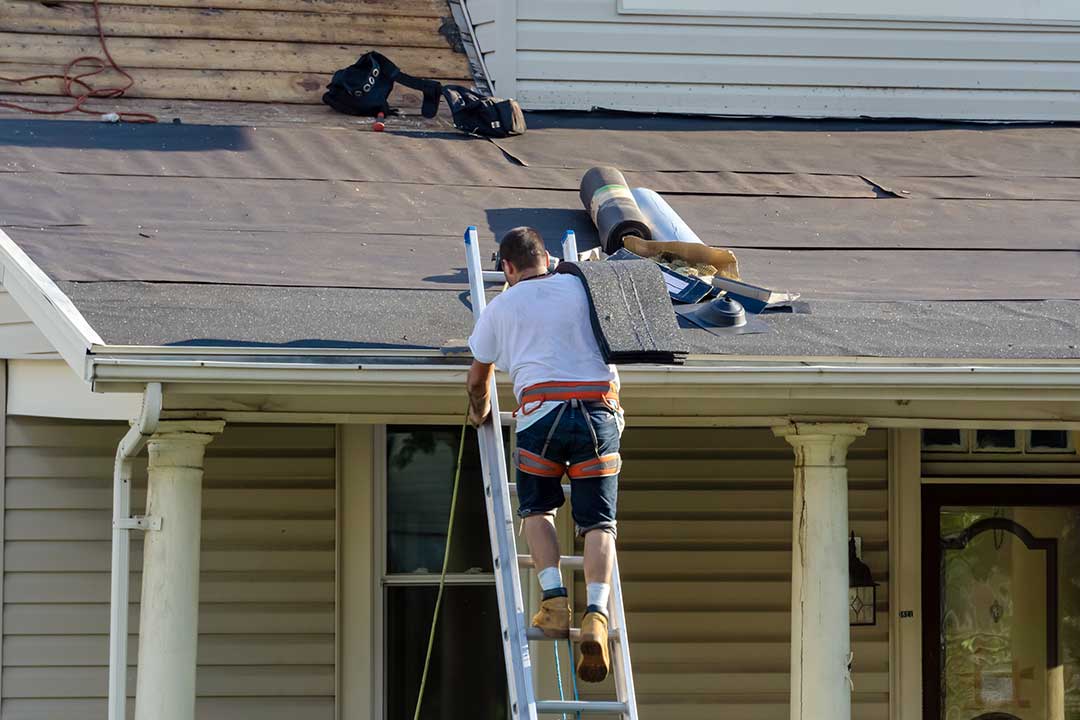
A roof emergency is any event that lets water inside or exposes the structure. The following signs typically require immediate attention:
- Visible, active water leaking through the ceiling or walls
- Large sections of missing or torn shingles observed from the ground
- Sagging or bulging areas in the roof deck or attic, signaling structural concerns
- Damaged or separated gutters leading to water directly cascading along siding
Situations that do not allow temporary protection—such as a whole section of roofing or severe sag in the deck—mean staying out of affected areas and seeking professional help after ensuring family safety.
What Should Homeowners Document, and Why?
Thorough documentation helps with repair planning and insurance claims. Take clear photos of all visible exterior and interior damage. Record details about when the damage was noticed, weather conditions, and any actions taken to reduce further harm.
Maintain a written list of items affected by leaks, and track any maintenance history for your roof. Homeowners’ policies often require proof that reasonable steps were taken to minimize losses during emergencies.
Are There Local Myths or Mistakes to Avoid?
A common misconception is that all roof leaks can wait for “better weather.” In reality, even small active leaks can worsen structural rot quickly, especially in older wood-framed homes common in the city.
Attempting to nail down tarps during wind events, or applying sealant to wet and frozen surfaces, rarely works and may lead to injury. Using improper materials, such as household plastic wrap or duct tape, does not provide effective water protection.
Avoid prying up shingles to look for underlying rot, as this may cause further damage. Instead, focus efforts on containing water indoors and protecting the safest accessible areas.
How Can Future Emergencies Be Minimized?
Routine roof and gutter maintenance, along with prompt removal of overhanging branches, lessens the risk of sudden leaks. After every significant storm, area households can:
- Check attics and upper floors for unexpected damp spots or stains.
- Clear leaves and debris from gutters and downspouts.
- Scan for loose or missing shingles using binoculars rather than climbing ladders unnecessarily.
Awareness about common emergency triggers, like ice dam buildup and storm-blown debris, goes a long way toward reducing the need for urgent repairs.
