
Do Shade Trees Help or Hurt Roof Longevity?
Shade trees can play both positive and negative roles in the lifespan of residential roofing. For many Norwich, NY homeowners, a canopy of oaks or maples might seem like natural roof protection, especially during summer heatwaves. In reality, the impact is more nuanced and depends on species, proximity, seasonal factors, and long-term care.
How Do Trees Protect Roofs from Sun Damage?
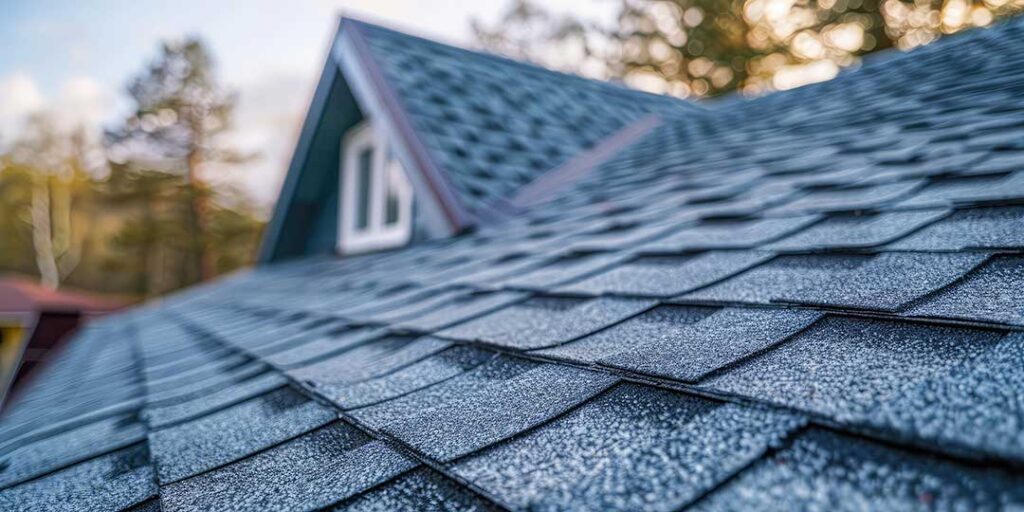
Shade from mature trees blocks a significant amount of ultraviolet (UV) radiation and direct sunlight. This can slow the deterioration of many common roofing materials, especially asphalt shingles.
- UV rays can cause roofing materials to dry, crack, or become brittle
- Shade from trees generally keeps roof surfaces cooler, minimizing heat-related wear
On hot summer afternoons in Norwich, roofs exposed to full sun can reach temperatures well above 140°F. A shaded section, by comparison, might be 20-30 degrees cooler, reducing heat cycling and thermal stress on the shingles. Over many years, this cooling effect may slightly extend the expected lifespan for materials vulnerable to sun damage.
What Risks Do Shade Trees Create for Roofs?
While shading reduces solar stress, it introduces other concerns:
1. Organic Debris Accumulation:
Leaves, twigs, seed pods, and pine needles from overhanging branches are the most frequent roof maintenance issue for local residents with mature trees. When debris settles on the roof:
- Water flow is blocked, which increases the risk of leaks and rot
- Moisture lingers longer, creating an ideal environment for moss and algae growth
- Debris may clog gutters and downspouts, leading to localized overflow and ice dams in winter
2. Increased Moss and Algae Growth:
Constant shade, combined with leaf litter and moisture, encourages moss, lichen, and certain types of algae. Norwich’s humid summers and steady precipitation mean shaded roofs often remain damp for days after rain. Moss growth can:
- Lift shingles and trap more moisture beneath
- Accelerate wood rot on older decking
- Reduce the effectiveness of roof drainage
3. Damage from Overhanging Branches:
Branches that rub or scrape against roofing in the wind can wear away protective granules, loosen shingles, or even puncture softer flat roofing materials. In heavy snow or ice storms (common in the region), large limbs may break and fall, causing sudden and severe roof damage.
Can Tree Roots Impact Roof Stability?
Tree roots typically do not affect roofing directly, as most residential homes in the community have standard pitched roofs well above ground level. In rare cases, however:
- Roots may disturb underground drainage around a home, contributing to foundation shifts
- Substantial trunk or ground-root growth can alter grading, causing poor runoff management and potential basement or crawlspace moisture problems, which, if left unchecked, can worsen any roof leaks or water intrusion by creating higher humidity inside the structure.
Does Tree Type Matter for Roof Impact?
Absolutely. Different local species produce varying amounts and types of leaf litter, pollen, and debris. For example:
- Pine trees shed needles and sap that can be particularly stubborn to remove
- Maples and oaks drop larger leaves but less sticky residue
- Evergreen species may block more sunlight year-round, intensifying shade issues even in winter
Deciduous trees offer shade in summer but allow more sun exposure in winter, which can be beneficial for melting snow and preventing persistent dampness.
How Should Area Homeowners Manage Shade Trees Near Roofs?
Routine, seasonal care goes a long way in balancing the benefits and risks:
- Remove debris from roofs and gutters, especially in autumn and after major wind events
- Inspect and clean overhanging branches; anything growing within 6-10 feet of the roof is a potential hazard
- Monitor for signs of moss or algae and address promptly with safe, roof-appropriate treatments
- Watch for evidence of pooling water, leaks, or shingle displacement in spots that remain shaded most of the day
For particularly tall or old trees, periodic professional inspection may be warranted to monitor for dead limbs or disease that could increase storm risks.
Common Misconceptions about Trees and Roof Maintenance
Many believe full shade will prevent all roof problems, but lack of sunlight just trades one set of challenges for another. Others think removing every tree near the house is the best path to roof preservation, but this overlooks the value shade provides in reducing summer cooling costs and the aesthetic and ecological benefits of mature urban trees in the community.
In reality, the healthiest roofs in neighborhoods with established tree cover are typically those maintained with both roof and landscape care in mind—balancing regular inspections, tree trimming, and debris removal with an appreciation for the advantages that mature, well-managed trees bring to the property.
